
Lesson 1.2 – Understanding Motivation & Interest
Light the spark that keeps them turning pages.
Every child has a natural pull toward certain stories, topics, and characters. When reading taps into that pull, everything shifts: attention stretches longer, effort feels lighter, and joy sneaks back onto the page.
In this lesson, you’ll learn how to uncover what truly captivates your child — their fascinations, play themes, and hidden curiosities — and how to keep reading time playful, personal, and full of momentum.
The Secret Behind Motivation
Kids don’t fall in love with reading because they’re told to. They fall in love because stories connect to who they are.
Together, we’ll explore how to recognize curiosity in action, match books to passions, offer meaningful choice, and respond gracefully when attention fades.
The Four Sparks of Motivation
Building motivation isn’t about pushing harder; it’s about noticing what pulls your child forward. The following four sparks show you how to transform everyday moments of curiosity into lasting engagement.
- Spot the Spark: Observe your child’s spontaneous questions, play themes, and favorite topics to pinpoint authentic curiosities.
- Match Books to Passions: Select stories, characters, and informational texts that mirror those sparks, layering in new but related ideas to gently expand interests.
- Offer Choice & Voice: Provide 2–3 book options, let your child pick the order, and invite them to set reading goals; ownership boosts intrinsic motivation.
- Read the Engagement Cues: Notice body language, energy shifts, and comments; pivot quickly—change voices, shorten sessions, or try a different genre—when attention wanes.
From Obligation to Intrigue
When you intentionally weave your child’s passions into reading, books stop feeling like assignments. They become mirrors that reflect your child’s world, windows into others’ experiences, and launchpads for imagination.
Activities to Deepen Understanding
Understanding your child’s motivation is just the beginning. The following activities will help you observe, record, and respond to your child’s reading interests in real time — so you can build on what already draws them in.
Activity 1: The Interest Inventory
Spend 10 minutes this week observing your child during free play or conversation. Use this guide to capture their authentic interests:
| Observation Area | What to Notice | Your Notes |
|---|---|---|
| Play Themes | What do they pretend? What characters do they become? |
(space for parent notes)
|
| Questions They Ask | What makes them curious? What do they wonder about unprompted? |
(space for parent notes)
|
| Screen Time Choices | What shows, games, or videos do they choose? |
(space for parent notes)
|
| Collections & Objects | What do they save, collect, or treasure? |
(space for parent notes)
|
| Repeated Topics | What do they bring up again and again in conversation? |
(space for parent notes)
|
After completing the inventory: Look for patterns. Circle the top 3 interests that appear most consistently.
Activity 2: The Book-Matching Challenge
Using your top 3 interests from Activity 1, find one book per interest this week. Use your library, bookstore, or online resources.
- Ask your librarian: “My child loves [dinosaurs]. What books combine [dinosaurs] with adventure stories?”
- Search online: “[child’s interest] + picture books” or “[child’s interest] + early readers”
- Look beyond fiction: Informational texts (DK Eyewitness, National Geographic Kids) can be incredibly motivating
- Follow your child’s reading level on passion topics, but go easier on topics they’re less interested in
Record your findings:
- Interest #1: _____________ → Book found: _____________
- Interest #2: _____________ → Book found: _____________
- Interest #3: _____________ → Book found: _____________
Then observe: Which book held their attention longest? What made it work?
Activity 3: The Choice Board
Create a simple visual choice board for your next reading session. This gives your child agency while keeping you in control of appropriate options.
How to set it up:
- Choose 3 books (or reading activities) you’re comfortable with
- Let your child pick which one to read first
- Let them decide: read it once or twice? Sit together or snuggle?
- After finishing, invite them to rate it: “How much did you enjoy this story?” (thumbs up/down, or 1-5 stars)
The magic: Even small choices increase intrinsic motivation. You’re teaching them that their preferences matter.
Activity 4: The Engagement Detective
During your next three reading sessions, become a detective. Watch for these engagement cues:
| Engagement Signs (Keep Going!) | Disengagement Signs (Time to Pivot) |
|---|---|
| • Leaning in • Asking questions • Making predictions • Laughing or reacting • Asking to continue |
• Looking away frequently • Fidgeting or squirming • One-word answers • Asking “Are we done yet?” • Sudden need for bathroom/water |
When you spot disengagement:
- Quick pivot: “Let’s skip to the exciting part!”
- Voice change: Add character voices or whisper dramatically
- Physical shift: Stand up and act out a scene
- Honest check-in: “This book isn’t grabbing you, is it? Should we try a different one?”
What to Do When Interest Fades
Remember: Interests Evolve
Your child’s fascination with trucks may fade into dinosaurs, then shift to outer space. This is healthy development, not fickleness.
Your response: Stay curious about the new interest and pivot your book selections accordingly. Keep a running list of “retired interests” — they often circle back!
Reflection
As you complete these activities, reflect on:
- What surprised you about your child’s interests?
- Which interest-matched book was the biggest hit?
- What engagement cues did you notice that you hadn’t paid attention to before?
- How did offering choice change your child’s enthusiasm?
- What’s one small thing you’ll do differently based on what you learned?
Downloadable Resources
📥 Download: Interest Inventory Worksheet (PDF)
📥 Download: Book-Matching Guide by Interest (PDF)
📥 Download: Engagement Cues Cheat Sheet (PDF)
📥 Download: Printable Choice Board Template (PDF)
Light the spark that keeps them turning pages.
Motivation isn’t built through reminders or rewards — it’s built through connection.
Every child has a natural pull toward certain stories, topics, and characters. When reading taps into that pull, everything shifts: attention stretches longer, effort feels lighter, and joy sneaks back onto the page.
In this lesson, you’ll learn how to uncover what truly captivates your child — their fascinations, play themes, and hidden curiosities — and how to keep reading time playful, personal, and full of momentum.
The Secret Behind Motivation
Kids don’t fall in love with reading because they’re told to. They fall in love because stories connect to who they are.
When a child’s interests meet the right book, curiosity takes over — and learning becomes effortless. Your role is to notice the sparks and fan them into flame.
Together, we’ll explore how to recognize curiosity in action, match books to passions, offer meaningful choice, and respond gracefully when attention fades.
The Four Sparks of Motivation
Building motivation isn’t about pushing harder; it’s about noticing what pulls your child forward. The following four sparks show you how to transform everyday moments of curiosity into lasting engagement.
- Spot the Spark: Observe your child’s spontaneous questions, play themes, and favorite topics to pinpoint authentic curiosities.
- Match Books to Passions: Select stories, characters, and informational texts that mirror those sparks, layering in new but related ideas to gently expand interests.
- Offer Choice & Voice: Provide 2–3 book options, let your child pick the order, and invite them to set reading goals; ownership boosts intrinsic motivation.
- Read the Engagement Cues: Notice body language, energy shifts, and comments; pivot quickly—change voices, shorten sessions, or try a different genre—when attention wanes.
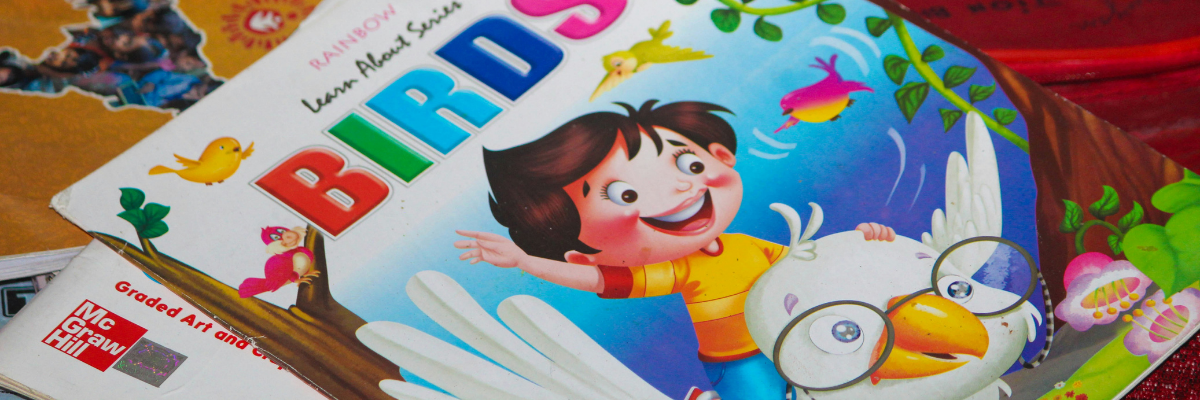
From Obligation to Intrigue
When you intentionally weave your child’s passions into reading, books stop feeling like assignments. They become mirrors that reflect your child’s world, windows into others’ experiences, and launchpads for imagination.
Stay curious about what lights your child up — because motivation, like any spark, needs oxygen, play, and love to keep burning.
Understanding your child’s motivation is just the beginning. The next few activities will help you observe, record, and respond to your child’s reading interests in real time — so you can build on what already draws them in.
As you complete these activities, notice how your child’s energy changes when reading connects to their world. These small discoveries are the seeds of lasting motivation — and each spark you nurture helps reading grow from an obligation into a joyful habit.